
What to Do if a Creditor Sues You in New York This Fall

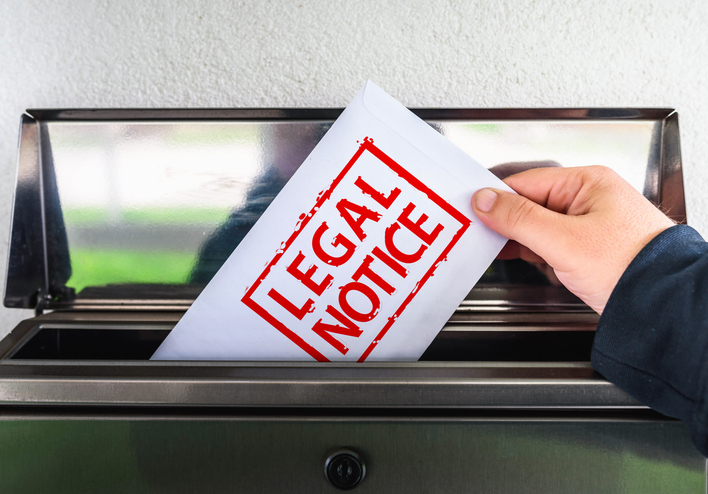
Legal notice envelope, perhaps indicating that a creditor sues someone in New York

As September gets underway, households across New York shift gears. Summer travel wraps up, kids head back to school, and regular household expenses resume with full force. For many families in the Bronx and Westchester County, the mail brings an unpleasant surprise right around this time of year. Summer pauses end, court dockets move forward, and debt collectors often ramp up efforts to collect on delinquent accounts.

Opening an envelope to discover a summons and complaint can cause instant panic. A credit card company, medical provider, or third-party debt buyer is officially taking you to court. When money is already tight as autumn routines settle in, dealing with a lawsuit feels overwhelming. Even so, ignoring that legal notice is the single most costly mistake you can make.

Why You Cannot Ignore a Summons and Complaint

When a creditor sues you in New York, the New York court rules give you a limited window to respond once you receive formal legal papers. That deadline usually falls between 20 and 30 days, depending entirely on how the documents were delivered.

Tossing the paperwork in a drawer or waiting until after the holidays guarantees a bad outcome. If you miss your window to respond, the creditor asks the court for a default judgment. Once the judge grants that judgment, the creditor gains powerful legal tools against you. They can freeze the funds sitting in your bank account, place a lien on real estate you own in Westchester or Rockland County, or demand that your employer garnish up to ten percent of your gross wages.

What began as an unsecured credit card bill suddenly threatens your weekly paycheck. Acting quickly preserves legal defenses that vanish once a judgment enters the court record.

How Filing Bankruptcy Stops Active Lawsuits

Many people assume bankruptcy is only an option after their bank accounts get frozen or after a sheriff serves a garnishment notice. In reality, addressing legal threats early in the fall gives you the widest range of protections.

The moment an attorney files a Chapter 7 or Chapter 13 bankruptcy petition on your behalf, federal law triggers an injunction known as the automatic stay. The automatic stay immediately halts nearly all collection activity against you. It freezes pending creditor lawsuits in their tracks, cancels upcoming court dates, stops ongoing wage garnishments, and prevents banks from withholding your money.

The stay forces the collection lawyers to step back while your case proceeds under the supervision of the bankruptcy court. For unsecured debts like credit cards, personal loans, and past-due medical accounts, Chapter 7 often wipes out the underlying obligation completely. When the court enters your final discharge, the debt is permanently eliminated, and the state court lawsuit cannot be revived.

If you earn a steady income but need time to catch up on missed mortgage payments or protect valuable property, Chapter 13 creates a manageable repayment plan spanning three to five years. In either chapter, the legal machinery running that collection lawsuit comes to a full stop.

Virtual Filing Makes Resolving Debt Easier

Navigating legal troubles does not require taking time off work to travel to a courthouse. Bankruptcy proceedings throughout New York City, Westchester, and surrounding counties now operate almost entirely online. Document reviews, consultations, and the mandatory meeting of creditors with the trustee occur remotely over the phone or by video conference.

You can review your summons, evaluate your household budget, and file your petition without setting foot in an office. Tackling collection notices in September allows you to clear legal stress before year-end expenses accumulate.

If you recently received a court summons or worry about impending judgments, discussing your situation with an experienced bankruptcy attorney can help you understand your legal protections. The Law Offices of David J. Babel, Esq., P.C. assists individuals throughout the Bronx, Yonkers, Mount Vernon, White Plains, and neighboring communities in exploring their options under the bankruptcy code, and can help you navigate the situation if a creditor sues you in New York. Reach out online or call to schedule a complimentary telephone consultation.

Signs It Might Be Time to Talk to a Bankruptcy Lawyer in 2026

Signs it's Time to Talk to a Bankruptcy Lawyer

Money stress looks different for everyone. In 2026, a lot of people are dealing with higher everyday costs, expensive credit, and less room for error when something unexpected happens. If you are feeling like you can’t catch up, that doesn’t automatically mean bankruptcy is the answer. But it can be a sign that it is time to get clear information. Below are common warning signs that it might be time to talk to a bankruptcy lawyer in 2026, so you can understand your options before the situation gets worse.

1) You Are Using Debt To Pay For Basics

If credit cards are covering groceries, gas, rent, utilities, or childcare month after month, that is a red flag. It usually means your budget is no longer working with your current income and expenses.

A quick self-check:

  • Are you paying one card with another?
  • Are you taking cash advances just to stay current?
  • Are you relying on “buy now, pay later” to get through the week?

When debt becomes your safety net, it tends to grow fast.

2) You Are Always “One Bill Behind”

Many people are not missing every payment. Instead, they are rotating what gets paid. Phone bill this week, car payment next week, then a late fee on something else. That cycle can feel manageable for a while, but it often leads to penalties, interest increases, and collection activity.

If you are constantly deciding which bill to delay, it may be time to talk to a bankruptcy attorney about what relief might look like.

3) Collection Calls, Letters, or Lawsuits Are Starting

Once debts go to collections, the pressure usually increases. A more serious sign is being served with a summons and complaint for a credit card, personal loan, medical bill, or other consumer debt.

Bankruptcy is not the only way to respond to a lawsuit, but timing matters. Talking to a bankruptcy lawyer like David J. Babel early can help you understand what deadlines apply and what choices you actually have.

4) Your Paycheck is Being Garnished, or Your Bank Account Was Frozen

Wage garnishment and account restraints can turn a difficult situation into an emergency. If money is being taken from your paycheck, or you suddenly cannot access funds in your bank account, you should get legal advice quickly.

A bankruptcy filing can sometimes stop collection actions, but the best step is to speak with a lawyer who can review the full picture and explain what may apply in your case.

5) You Are Falling Behind On Your Car Payment and You Need the Vehicle

In 2026, car loans can be expensive, and a missed payment can lead to repossession risk. If you need your car for work or family responsibilities, do not wait until the repo truck shows up. A consultation with a bankruptcy lawyer can help you understand what options might exist to protect a vehicle, deal with loan balances, and address other debts at the same time.

6) You Are Behind On Taxes or Dealing with Old Tax Debt

Tax issues make people nervous, and for good reason. Not all tax debts are treated the same, and the details matter. If you owe back taxes and you are also dealing with other debt problems, it can be smart to speak with a bankruptcy attorney who can look at the timeline, the type of tax, and your overall situation.

7) You Are Thinking About Draining Retirement or Borrowing From It

Cashing out a retirement account or taking a big loan against it can have long-term consequences. If you are considering this just to keep up with unsecured debts like credit cards, it is worth pausing and getting advice. You may have alternatives that do not involve sacrificing your future.

8) Your Stress Level Is Affecting Your Health, Sleep, or Relationships

This one is not a “financial metric,” but it is real. If you are avoiding mail, dodging calls, or lying awake running numbers in your head, that is a sign you need a plan. A bankruptcy lawyer’s job is not to judge you. It is to help you understand the rules, the risks, and the possible paths forward.

What A Bankruptcy Consultation with David J. Babel Can Do For You in 2026

If you talk to a bankruptcy lawyer like David J. Babel, you will:

  • Learn what Chapter 7 and Chapter 13 are designed to do
  • Understand how your income, assets, and debts affect eligibility
  • Get a clearer picture of what happens to credit, cars, and bank accounts
  • Stop guessing and start making decisions with real information

If any of these signs feel familiar, consider scheduling a conversation with David J. Babel to discuss your situation and get a straightforward overview of your options. Even one meeting can help you feel less stuck and more in control.