What to Do if a Creditor Sues You in New York This Fall

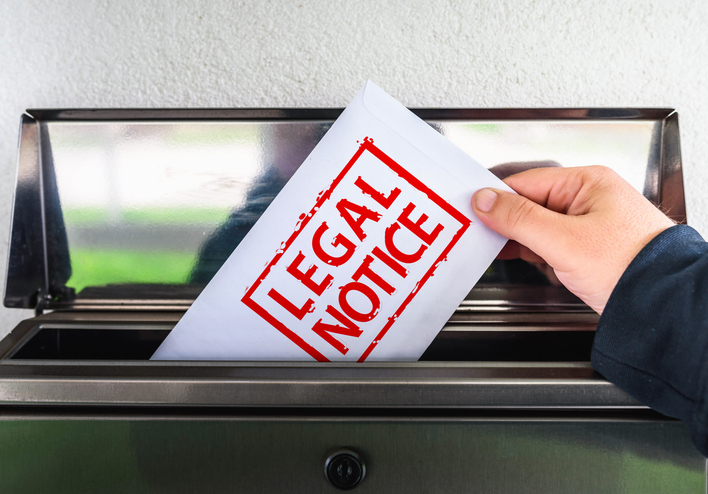
Legal notice envelope, perhaps indicating that a creditor sues someone in New York

As September gets underway, households across New York shift gears. Summer travel wraps up, kids head back to school, and regular household expenses resume with full force. For many families in the Bronx and Westchester County, the mail brings an unpleasant surprise right around this time of year. Summer pauses end, court dockets move forward, and debt collectors often ramp up efforts to collect on delinquent accounts.

Opening an envelope to discover a summons and complaint can cause instant panic. A credit card company, medical provider, or third-party debt buyer is officially taking you to court. When money is already tight as autumn routines settle in, dealing with a lawsuit feels overwhelming. Even so, ignoring that legal notice is the single most costly mistake you can make.

Why You Cannot Ignore a Summons and Complaint

When a creditor sues you in New York, the New York court rules give you a limited window to respond once you receive formal legal papers. That deadline usually falls between 20 and 30 days, depending entirely on how the documents were delivered.

Tossing the paperwork in a drawer or waiting until after the holidays guarantees a bad outcome. If you miss your window to respond, the creditor asks the court for a default judgment. Once the judge grants that judgment, the creditor gains powerful legal tools against you. They can freeze the funds sitting in your bank account, place a lien on real estate you own in Westchester or Rockland County, or demand that your employer garnish up to ten percent of your gross wages.

What began as an unsecured credit card bill suddenly threatens your weekly paycheck. Acting quickly preserves legal defenses that vanish once a judgment enters the court record.

How Filing Bankruptcy Stops Active Lawsuits

Many people assume bankruptcy is only an option after their bank accounts get frozen or after a sheriff serves a garnishment notice. In reality, addressing legal threats early in the fall gives you the widest range of protections.

The moment an attorney files a Chapter 7 or Chapter 13 bankruptcy petition on your behalf, federal law triggers an injunction known as the automatic stay. The automatic stay immediately halts nearly all collection activity against you. It freezes pending creditor lawsuits in their tracks, cancels upcoming court dates, stops ongoing wage garnishments, and prevents banks from withholding your money.

The stay forces the collection lawyers to step back while your case proceeds under the supervision of the bankruptcy court. For unsecured debts like credit cards, personal loans, and past-due medical accounts, Chapter 7 often wipes out the underlying obligation completely. When the court enters your final discharge, the debt is permanently eliminated, and the state court lawsuit cannot be revived.

If you earn a steady income but need time to catch up on missed mortgage payments or protect valuable property, Chapter 13 creates a manageable repayment plan spanning three to five years. In either chapter, the legal machinery running that collection lawsuit comes to a full stop.

Virtual Filing Makes Resolving Debt Easier

Navigating legal troubles does not require taking time off work to travel to a courthouse. Bankruptcy proceedings throughout New York City, Westchester, and surrounding counties now operate almost entirely online. Document reviews, consultations, and the mandatory meeting of creditors with the trustee occur remotely over the phone or by video conference.

You can review your summons, evaluate your household budget, and file your petition without setting foot in an office. Tackling collection notices in September allows you to clear legal stress before year-end expenses accumulate.

If you recently received a court summons or worry about impending judgments, discussing your situation with an experienced bankruptcy attorney can help you understand your legal protections. The Law Offices of David J. Babel, Esq., P.C. assists individuals throughout the Bronx, Yonkers, Mount Vernon, White Plains, and neighboring communities in exploring their options under the bankruptcy code, and can help you navigate the situation if a creditor sues you in New York. Reach out online or call to schedule a complimentary telephone consultation.
2025 Guide to Filing Chapter 7 in New York with the New Virtual Process

Chapter 7 New York

If you feel overwhelmed by debt, you are not alone. Many people in New York find relief through Chapter 7 bankruptcy. Chapter 7 is designed to wipe out most unsecured debts, including credit cards, medical bills, personal loans, and old utility balances. It gives people a fresh start when their income no longer covers their basic needs along with their debts.

Today, filing Chapter 7 is easier than ever. Recent updates in New York allow much of the process to take place online. You can prepare your paperwork, attend meetings, and take required courses without leaving home. These changes help people get relief in a faster and more comfortable way.

How Chapter 7 Helps Wipe Out Debt in New York

Chapter 7 bankruptcy is often called a liquidation case. In most cases, people keep all their property because New York exemptions protect the things you need to live and work. You list your debts, income, and household expenses. After the court reviews everything, most unsecured debts are discharged. Once a debt is discharged, you no longer have to pay it.

For many people, Chapter 7 removes the stress that builds when bills keep coming and income does not match what lenders demand. This gives people room to rebuild credit, save money, and move toward a healthier financial future.

Virtual 341 Meetings Make Things Easier

A major update in 2025 is that most Chapter 7 meetings of creditors can now take place by video. The 341 meeting is a short session with the trustee who checks your identity and reviews your documents. In the past, you had to travel to a courthouse or meeting site. Now you can join through a video platform like Zoom.

This helps people who have work schedules, health challenges, or transportation issues. You only need a quiet place with an internet connection. The meeting usually lasts just a few minutes, and the trustee asks simple questions based on your forms.

Remote Court Hearings Save Time

Some Chapter 7 cases may require a hearing. Many New York bankruptcy judges now hold these hearings through video. The court sends instructions on how to log in, and you can attend through your computer or tablet. This makes the process much smoother. It also reduces stress for people who feel anxious in courtroom settings.

Since you do not have to travel, hearings are easier to schedule. That can help your case move forward without long delays.

Online Filing Tools Help Avoid Mistakes

New York courts offer helpful online tools that guide you through the filing process. These tools walk you through each question, check your math, and help you prepare the needed forms. You can upload your ID and submit your documents through the court website.

Filing online reduces errors that sometimes slow down a case. It also helps people feel more confident because the instructions are clear. Once your case is submitted, you receive a case number and directions for your virtual meeting.

Virtual Filing Helps Cases Stay on Track

A standard Chapter 7 case usually takes around three to four months. With virtual tools, the early steps often move faster. You can send documents to your attorney immediately, and trustees can review them sooner. Video meetings reduce the chance of rescheduling, which helps your case stay on track.

Faster early progress can make the entire process less stressful. You know what to expect, and each step is easier to finish.

Take the Next Step Toward a Fresh Start in New York with Chapter 7

If you want relief from debt and are thinking about Chapter 7 in New York, reach out for a consultation. The team at the Law Offices of David J. Babel will explain the process, discuss fees, and show you how the virtual process works. Our innovative in-house system allows us to easily and quickly update and send all of your required documents to the courts to move the process along seamlessly. Together, we can prepare your case in a simple and clear way that fits your schedule.

A fresh start is possible, and the new virtual approach makes bankruptcy more accessible and less stressful. David J. Babel is here to help you take the next step with confidence.