Can You Eliminate Tax Debt Through Bankruptcy? What New York Residents Should Know for the 2026 Tax Season

Eliminate tax debt through bankruptcy

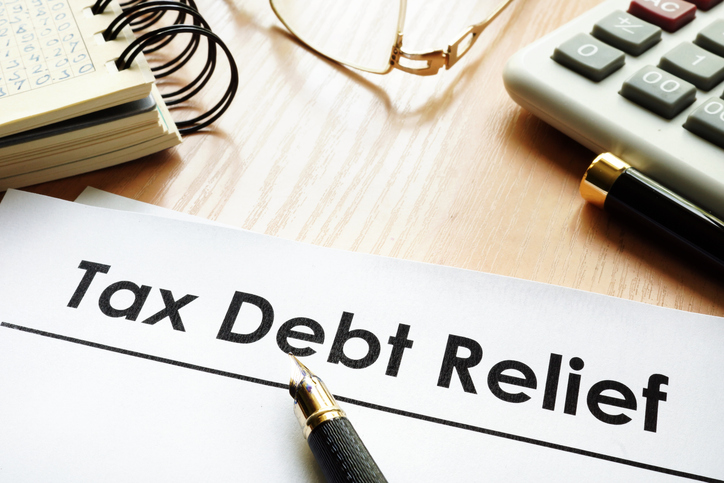
Tax debt can feel overwhelming, especially knee-deep in the 2026 tax season. Many New York residents assume that what they owe the IRS or New York State is permanent, but that is not always true. In certain situations, bankruptcy can provide real relief from tax debt. The key is understanding when tax debt qualifies and how the process works under current law.

Can Tax Debt Be Discharged in Bankruptcy?

Yes, some tax debt can be eliminated through bankruptcy. However, strict rules apply. Not all taxes are treated the same, and timing plays a major role.

Income taxes are the most likely type to be discharged. Payroll taxes, fraud penalties, and recent tax debts are generally not eligible. Courts look closely at how old the debt is and how it was reported.

The Key Rules for Discharging Tax Debt

To eliminate income tax debt in bankruptcy, several requirements must be met:

The 3-Year Rule

The tax return must have been due at least three years before filing for bankruptcy.

The 2-Year Rule

You must have filed the tax return at least two years before filing for bankruptcy.

The 240-Day Rule

The IRS must have assessed the tax debt at least 240 days before the bankruptcy filing.

No Fraud or Willful Evasion

If the IRS believes there was fraud or intentional tax evasion, the debt will not be discharged.

These rules can overlap in complex ways. Even a small detail, like filing a return late, can affect eligibility.

Chapter 7 vs. Chapter 13 for Tax Debt

Both Chapter 7 and Chapter 13 bankruptcy can help with tax issues, but they work differently.

Chapter 7 Bankruptcy

This option may completely eliminate qualifying tax debt. It is typically faster, often completed within a few months. Eligibility depends on income and asset limits.

Chapter 13 Bankruptcy

Chapter 13 creates a structured repayment plan, usually lasting three to five years. While it may not erase all tax debt, it can stop collections, reduce penalties, and allow manageable payments over time.

For many New York residents, Chapter 13 is helpful when the tax debt does not meet discharge rules but still needs to be controlled.

What About New York State Tax Debt?

New York State tax debt can also be discharged under similar conditions as federal tax debt. The same timing rules generally apply. That said, state tax authorities can be aggressive in collections, including wage garnishments and bank levies.

Bankruptcy can immediately stop these actions through the automatic stay, offering breathing room while a long-term solution is put in place.

Common Mistakes to Avoid

Many people delay seeking help because they believe nothing can be done. Others file bankruptcy too early, before their tax debt qualifies for discharge. Timing is everything. Another frequent issue is unfiled tax returns. Bankruptcy courts require compliance, and if returns are missing, the process can stall or fail entirely.

Why 2026 Is an Important Year to Review Your Options

Tax laws and enforcement priorities continue to evolve, and collection activity has increased in recent years. As the 2026 tax season continues, many households are facing accumulated balances from prior years. This makes it a smart time to evaluate your situation. Even if your tax debt cannot be eliminated today, a strategic plan could make it dischargeable in the near future.

A Practical Path Forward

Tax debt does not have to define your financial future. Bankruptcy is not the right solution for everyone, but it can be a powerful tool when used correctly.

If you are dealing with IRS or New York State tax debt, it may help to get a clear picture of your options. A brief conversation with bankruptcy attorney David J. Babel can often clarify what is possible and what steps make sense next.
2025 Guide to Filing Chapter 7 in New York with the New Virtual Process

Chapter 7 New York

If you feel overwhelmed by debt, you are not alone. Many people in New York find relief through Chapter 7 bankruptcy. Chapter 7 is designed to wipe out most unsecured debts, including credit cards, medical bills, personal loans, and old utility balances. It gives people a fresh start when their income no longer covers their basic needs along with their debts.

Today, filing Chapter 7 is easier than ever. Recent updates in New York allow much of the process to take place online. You can prepare your paperwork, attend meetings, and take required courses without leaving home. These changes help people get relief in a faster and more comfortable way.

How Chapter 7 Helps Wipe Out Debt in New York

Chapter 7 bankruptcy is often called a liquidation case. In most cases, people keep all their property because New York exemptions protect the things you need to live and work. You list your debts, income, and household expenses. After the court reviews everything, most unsecured debts are discharged. Once a debt is discharged, you no longer have to pay it.

For many people, Chapter 7 removes the stress that builds when bills keep coming and income does not match what lenders demand. This gives people room to rebuild credit, save money, and move toward a healthier financial future.

Virtual 341 Meetings Make Things Easier

A major update in 2025 is that most Chapter 7 meetings of creditors can now take place by video. The 341 meeting is a short session with the trustee who checks your identity and reviews your documents. In the past, you had to travel to a courthouse or meeting site. Now you can join through a video platform like Zoom.

This helps people who have work schedules, health challenges, or transportation issues. You only need a quiet place with an internet connection. The meeting usually lasts just a few minutes, and the trustee asks simple questions based on your forms.

Remote Court Hearings Save Time

Some Chapter 7 cases may require a hearing. Many New York bankruptcy judges now hold these hearings through video. The court sends instructions on how to log in, and you can attend through your computer or tablet. This makes the process much smoother. It also reduces stress for people who feel anxious in courtroom settings.

Since you do not have to travel, hearings are easier to schedule. That can help your case move forward without long delays.

Online Filing Tools Help Avoid Mistakes

New York courts offer helpful online tools that guide you through the filing process. These tools walk you through each question, check your math, and help you prepare the needed forms. You can upload your ID and submit your documents through the court website.

Filing online reduces errors that sometimes slow down a case. It also helps people feel more confident because the instructions are clear. Once your case is submitted, you receive a case number and directions for your virtual meeting.

Virtual Filing Helps Cases Stay on Track

A standard Chapter 7 case usually takes around three to four months. With virtual tools, the early steps often move faster. You can send documents to your attorney immediately, and trustees can review them sooner. Video meetings reduce the chance of rescheduling, which helps your case stay on track.

Faster early progress can make the entire process less stressful. You know what to expect, and each step is easier to finish.

Take the Next Step Toward a Fresh Start in New York with Chapter 7

If you want relief from debt and are thinking about Chapter 7 in New York, reach out for a consultation. The team at the Law Offices of David J. Babel will explain the process, discuss fees, and show you how the virtual process works. Our innovative in-house system allows us to easily and quickly update and send all of your required documents to the courts to move the process along seamlessly. Together, we can prepare your case in a simple and clear way that fits your schedule.

A fresh start is possible, and the new virtual approach makes bankruptcy more accessible and less stressful. David J. Babel is here to help you take the next step with confidence.